Santa Fe Roofing Guide

Independent. Not a roofing contractor.

Santa Fe, New Mexico  ·  revised 2026-08-04

Stucco repair in Santa Fe

Not every stucco crack needs fixing — but cracks on a parapet wall do, because that's where stucco failure turns into a roof leak. In Santa Fe the two trades overlap more than homeowners expect.

Get it looked at Read the guide
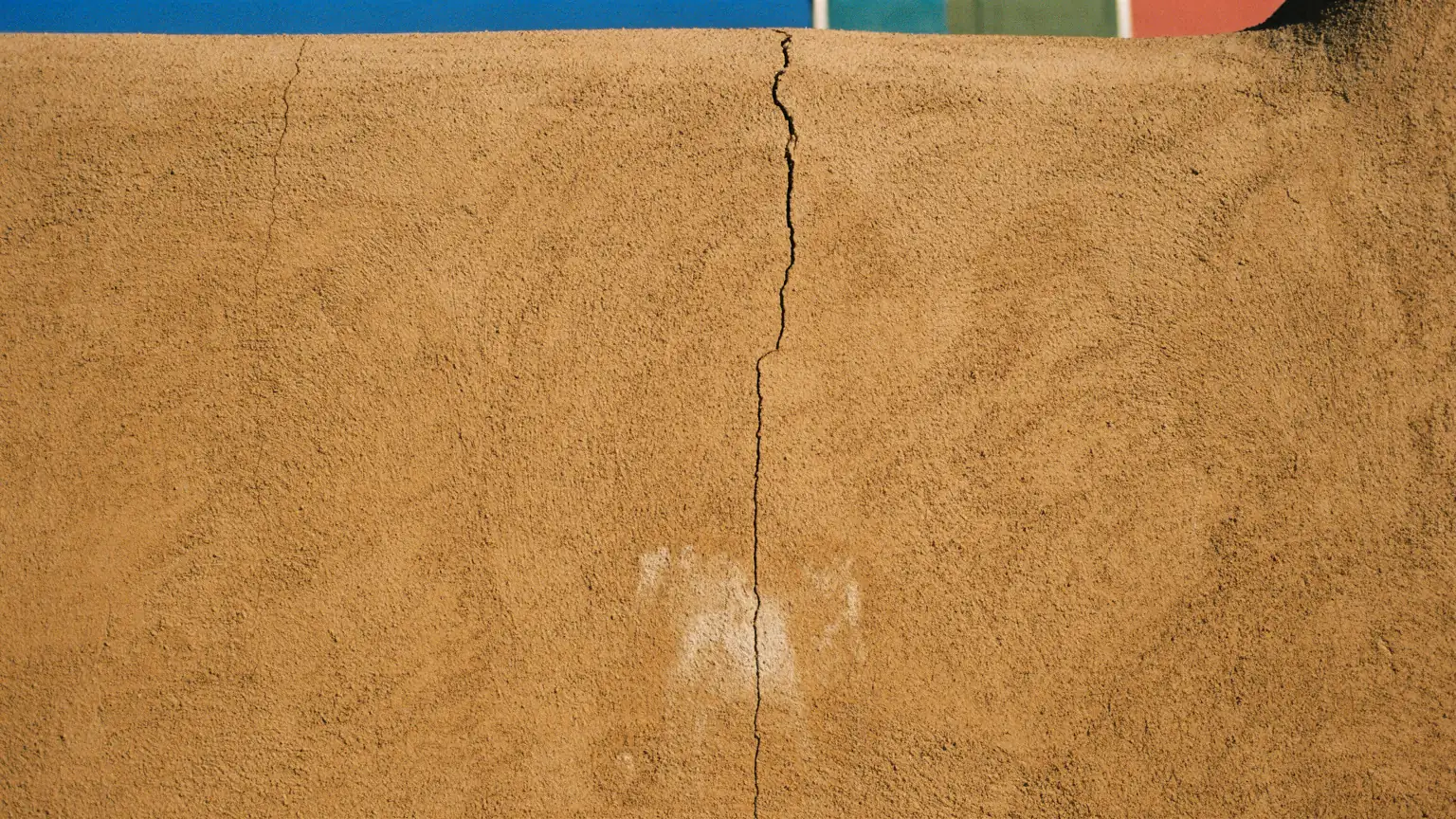
Cracked stucco on an adobe parapet wall, with a prominent vertical crack and efflorescence.
Cracks on a parapet wall are the ones worth acting on.

How a Santa Fe roof actually fails.

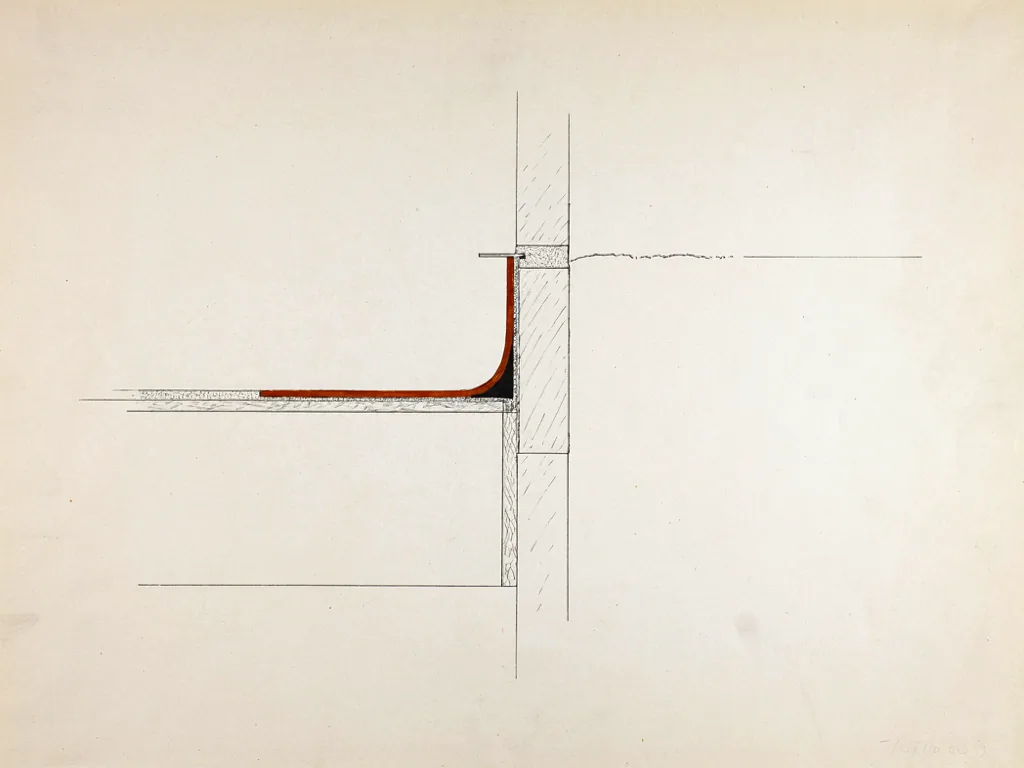
Plates — drawn, not photographed.

Cross-section of a flat roof membrane turning up a parapet wall to its termination.
Fig. 1 — Where the roof turns up into the parapet — the junction stucco and roofing share.

Coin edge

The width test. Crazing you can barely catch a fingernail on is cosmetic; a crack that admits the edge of a coin is a water path.

Parapet

A crack there is a roof leak in waiting, because the roof membrane terminates against that wall.

Hollow

Bulging or hollow-sounding stucco means water is already behind the surface. Patching over it traps the water in.

What this site is: an independent guide to hiring roofers in Santa Fe. We are not a roofing contractor and we don't do roofing work. We publish what we can verify and link the sources, then pass requests to licensed local roofers.

Does this crack actually matter?

Three checks you can do from the ground in about five minutes. Count the yeses.

1 Can a coin edge get into it?
Hairline crazing you can barely catch a fingernail on is nearly always cosmetic. A crack that admits the edge of a coin is a water path.
2 Is it on a parapet, or on a wall right below the roofline?
This is the one that changes the answer. A crack in the middle of a large wall is a stucco question. A crack on a parapet is a roof question wearing a stucco disguise, because the roof membrane terminates against that wall.
3 Does it sound hollow, bulge, or stain below it?
Tap around the crack with a knuckle. A hollow note, a bulge, or a chalky pale stain running down from the crack all mean water is already behind the surface. Patching over that traps it.

Reading your count. No yeses — cosmetic. Note where it is, look again after the monsoon. One yes — worth including next time someone is out at the house, not worth a call of its own. Two or more, or any hollow, bulge or stain — get it looked at, because the wall is already carrying water and time makes that job bigger rather than smaller.

Which cracks matter

Stucco cracks. Some of it is cosmetic and some of it is a water path, and the difference is mostly about width, location, and whether it moves.

Usually cosmeticWorth acting on
Fine hairline crazing across a wallCracks on a parapet or roof-adjacent wall
Small settlement cracks that stay putCracks you can fit a coin edge into
Isolated surface chipsBulging, soft, or hollow-sounding areas
Staining or efflorescence below a crack — water is moving through

Bulging or hollow stucco is the serious one. It means water has already gotten behind the surface, and patching over it traps the water rather than solving it.

Why your roofer keeps talking about stucco

On a flat roof with parapet walls, the roof membrane turns up and terminates against stucco. That junction is the most leak-prone spot on the building. When parapet stucco cracks, water enters the wall from above, gets behind the membrane termination, and appears inside as what looks exactly like a roof leak.

This is why several of the established Santa Fe contractors carry both trades, and why fixing one without the other sometimes doesn't stop the water. If you're getting a leak diagnosed, it's a fair question to ask whether the fix is a roofing repair, a stucco repair, or both. See roof repair.

Matching matters more than you'd think

A stucco patch is easy to make watertight and hard to make invisible. Colour, texture, and the age of the surrounding wall all work against a seamless match, and a patch that's structurally perfect can still read as a scar across the front of the house. Ask how they'll handle the transition, and whether re-coating a whole elevation is the better answer for a visible wall.

Stucco is its own New Mexico classification — GS-30, plastering, stucco and lathing — and it is not GS-21 roofing. On a parapet crack that distinction is the whole problem, because the repair can need both trades. What GS-30 covers.

Where to go from here

There's water inside as well Then start on the roof side and locate the entry point before anyone quotes a stucco patch. Roof repair → You're past diagnosing and ready to hire Which system is on your wall, and which licence classification covers it — the two questions most homeowners don't know to ask. Stucco contractors → You want to check whoever quoted you Licence number, classification, and whether the work needs a permit. Four steps, about five minutes. Permits & licensing →

Common questions

+

Are stucco cracks in Santa Fe normal?

Fine hairline cracking is extremely common and usually cosmetic. Cracks wide enough to admit a coin edge, cracks on parapet walls, and any bulging or hollow-sounding stucco are worth having looked at, because those move water.
+

Why does my roofer say my leak is a stucco problem?

Because on a flat roof the membrane terminates against the parapet stucco. Cracked parapet stucco lets water in above that termination, and it shows up inside looking like a roof leak.
+

Will a stucco patch match the rest of my wall?

Rarely perfectly. Colour and texture matching against a weathered wall is difficult. For a visible elevation, re-coating the whole wall often looks far better than a structurally sound patch.
+

Can I paint over cracked stucco?

Paint or elastomeric coating can bridge very fine crazing, but it hides rather than fixes anything structural, and coating over stucco that's already holding water can make matters worse.

Get the crack looked at properly.

Say where it is and what the three checks told you. It goes to local licensed contractors — and if it's a parapet, to ones who carry both trades.

  • Free, and you're never obligated to hire anyone.
  • Licensed New Mexico contractors only.
  • We don't sell your details on to a national lead network.

We're a guide, not a roofing contractor. We don't do the work — we point you to New Mexico roofers licensed to do it.

Prefer to talk? Call (505) 499-5915 — leave a message and a licensed roofing contractor calls you back.