Start with what's actually happening
Roofing advice is only useful once it's aimed at your situation. Four doors — pick the one that sounds like your house.
Santa Fe roofs are not like roofs anywhere else
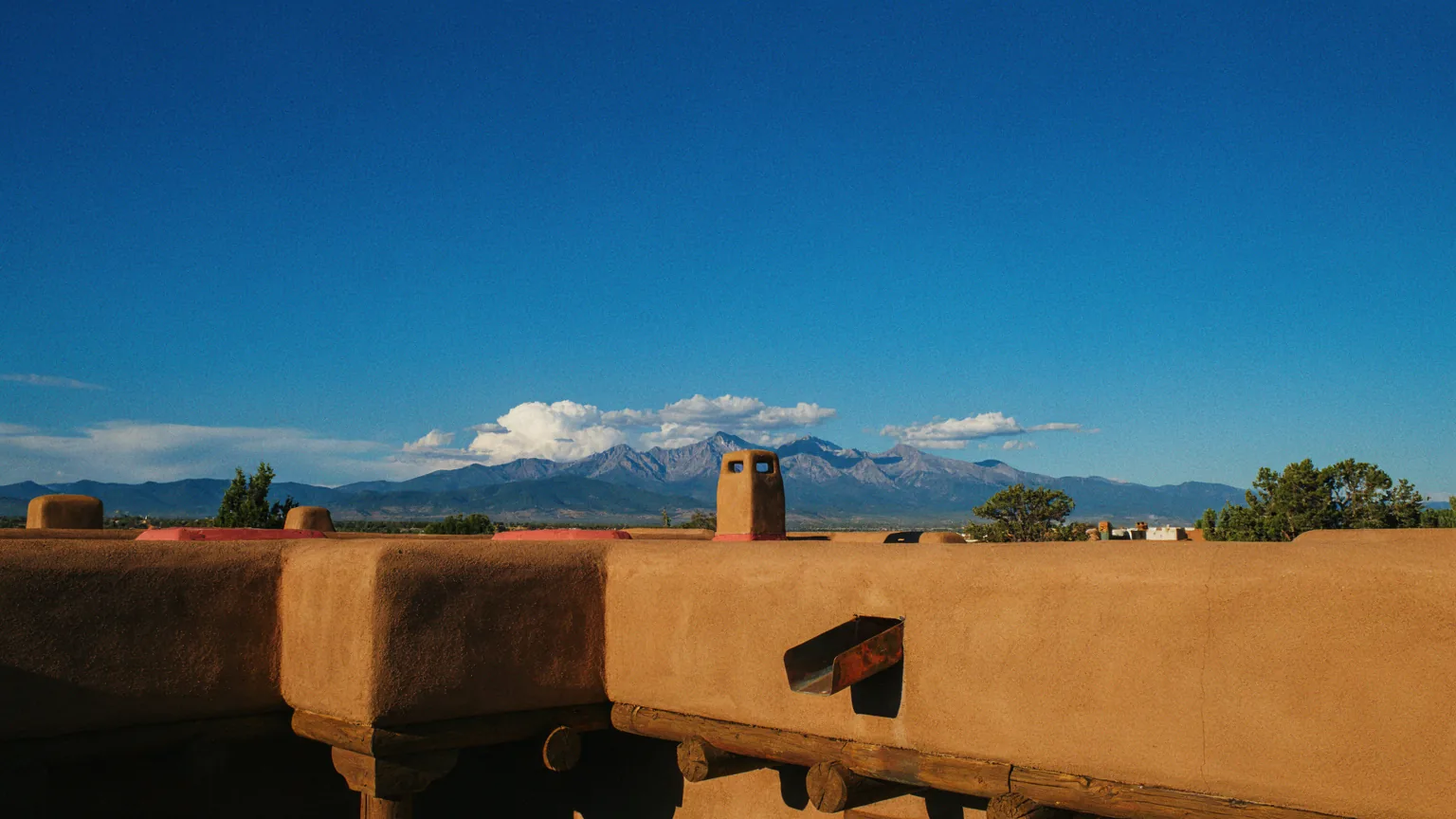
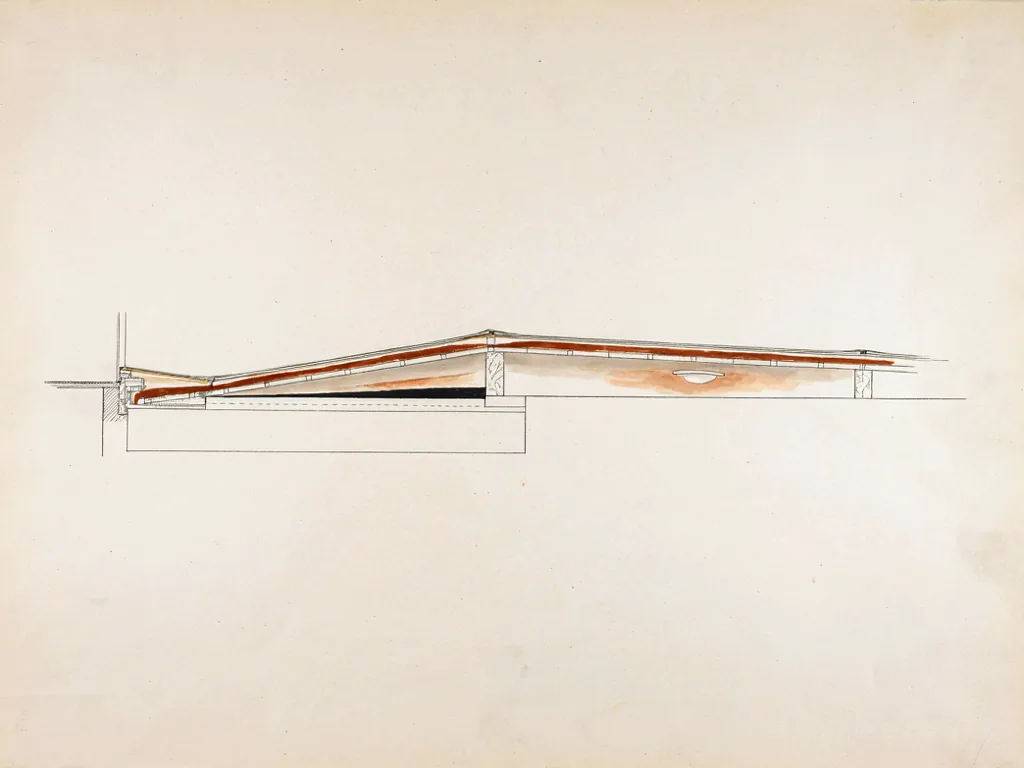
Most housing stock here is Pueblo and Territorial style, which means low-slope and flat roofs far more often than the steep asphalt-shingle roofs the national roofing sites are written about. That changes almost everything practical: the materials, how water actually leaves the roof, and what fails first.
Two features you'll be talking about with any roofer here:
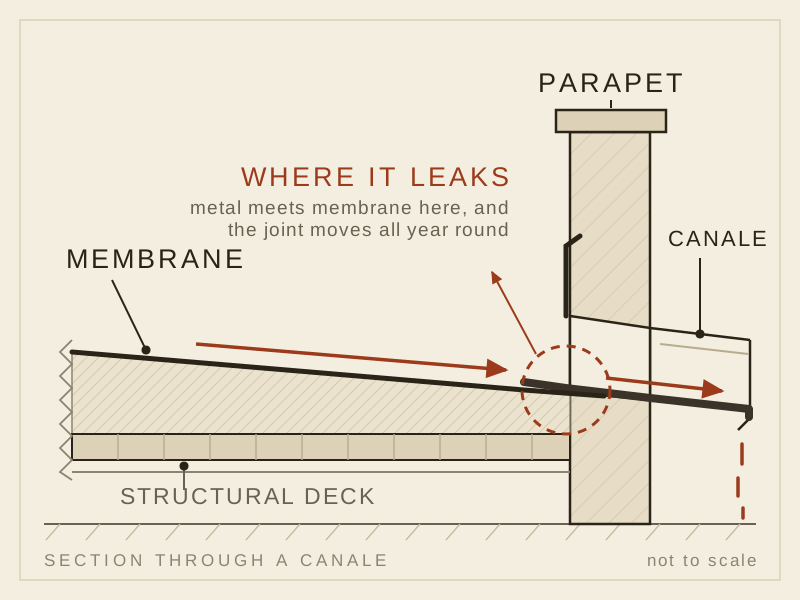
- Canales — the through-parapet scuppers that drain a flat roof. They're the single most common leak origin on an older adobe-style home, because everything about the roof funnels water to them.
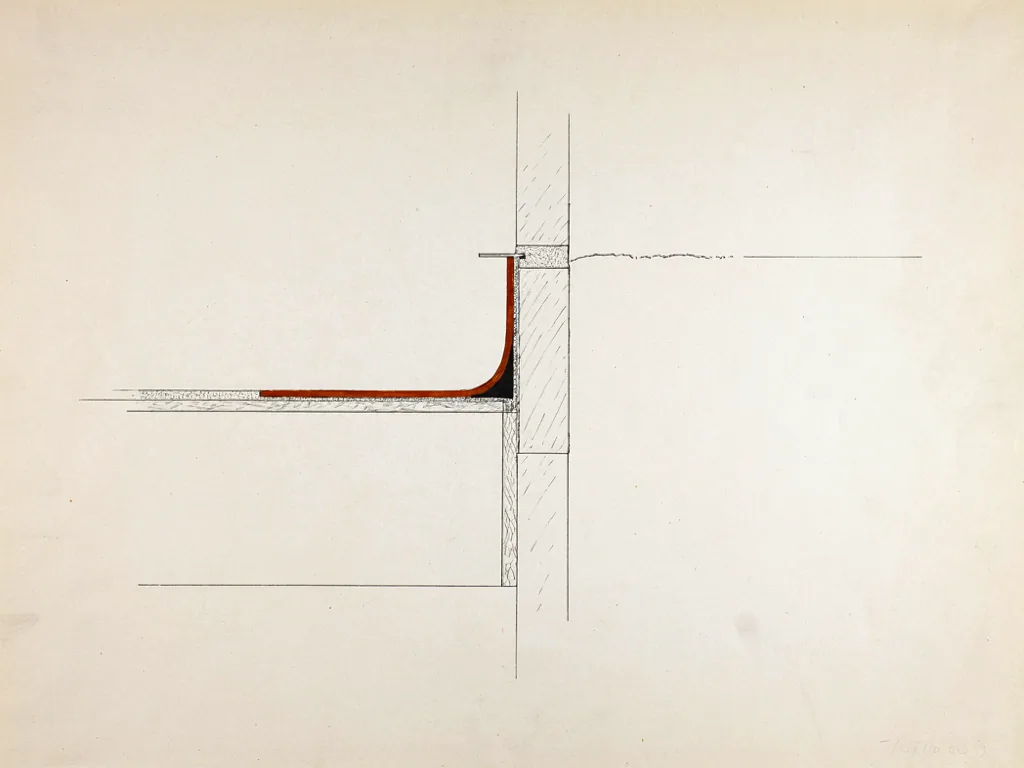
- Parapet walls — the low walls around a flat roof. Water gets in where the roof membrane meets the parapet, so that junction and its flashing matter more than the field of the roof.
The altitude does the rest. At roughly 7,000 feet, Santa Fe roofs take intense UV, a big daily freeze-thaw swing for much of the year, and a concentrated summer monsoon. That combination ages membranes and sealants faster than the same product would age at sea level, which is why "it's rated for 20 years" is a weaker promise here than the brochure implies.
What roofing work in Santa Fe usually means
| The job | What it usually involves |
|---|---|
| Leak repair | Tracing the actual entry point — often a canale, a parapet junction, or failed flashing rather than the spot where it drips inside. |
| Roof coating / recoat | Renewing the surface on a low-slope roof before the membrane underneath fails. Maintenance, not a replacement. |
| Full re-roof | Tear-off and rebuild of the roof system. Requires a city permit. |
| Stucco and roof together | Common here, because parapet stucco and roof flashing fail as one system. Several Santa Fe contractors deliberately do both. |
That last row is worth knowing before you call anyone: if your leak is at a parapet, the fix may be as much a stucco job as a roofing job. See stucco repair in Santa Fe.
One check is worth doing before you sign anything, because unlike everything else on this page it is binary: roofing is its own New Mexico licence classification, GS-21. Ask for the number and look it up yourself — it takes about a minute. What GS-21 covers · what else is public about a contractor.
You need a permit to re-roof in Santa Fe
The City of Santa Fe requires a permit for re-roofing, applied for through the Building Permit Division (City of Santa Fe Building Permits). This is not a formality to skip. An unpermitted re-roof can surface later during a sale, and it removes the inspection step that exists to catch bad work.
A reputable roofer handles the permit as part of the job. If a contractor suggests skipping it to save time or money, that is a reason to stop. More detail: Santa Fe roofing permits.
Getting quotes without wasting your time
Get at least three, and make them comparable. A quote that says "re-roof — $18,000" can't be compared to anything. Ask each roofer to write down:
- The scope: tear-off or overlay, and what happens to the decking if rot turns up underneath.
- The system: which membrane or material, and its actual spec.
- The canales and flashing: whether they're being replaced or reused. This is where cheap quotes hide.
- The warranty: workmanship and material are two different warranties, and the workmanship one is the one that matters locally.
- Who pulls the permit.
The cheapest bid is often cheapest because it reuses flashing and skips the canale work — which is precisely the part most likely to leak again.